BonsaiBONSAI

Computer vision and edge AI for real-world production

We develop computer vision and AI systems that run on-device and in production, not just in a researcher’s notebook:

  • detection & segmentation
  • defect detection
  • edge inference
  • multimodal AI
  • local analytics
Get a free estimate→
From our projects
Client pain points
01

Works in the lab, fails in the field

Accuracy drops on real footage: lighting, noise, camera angles, and rare classes break a pipeline trained on a clean dataset.

02

No data for the task

There are no ready-made datasets, labeling is expensive, and classes are imbalanced — a stable model cannot be trained by brute force.

03

Cloud is ruled out

Latency, cost, and privacy make cloud inference impractical — the model has to run locally on the device.

04

Weak hardware at the edge

Edge devices are limited in memory and compute, and the model either does not fit or cannot keep up in real time.

05

Demo-only AI

There is a prototype but no MLOps: no quality monitoring, retraining, or model degradation tracking in production.

¶ What we do03 areas

What we design

We take AI from hypothesis to stable operation in real-world conditions.
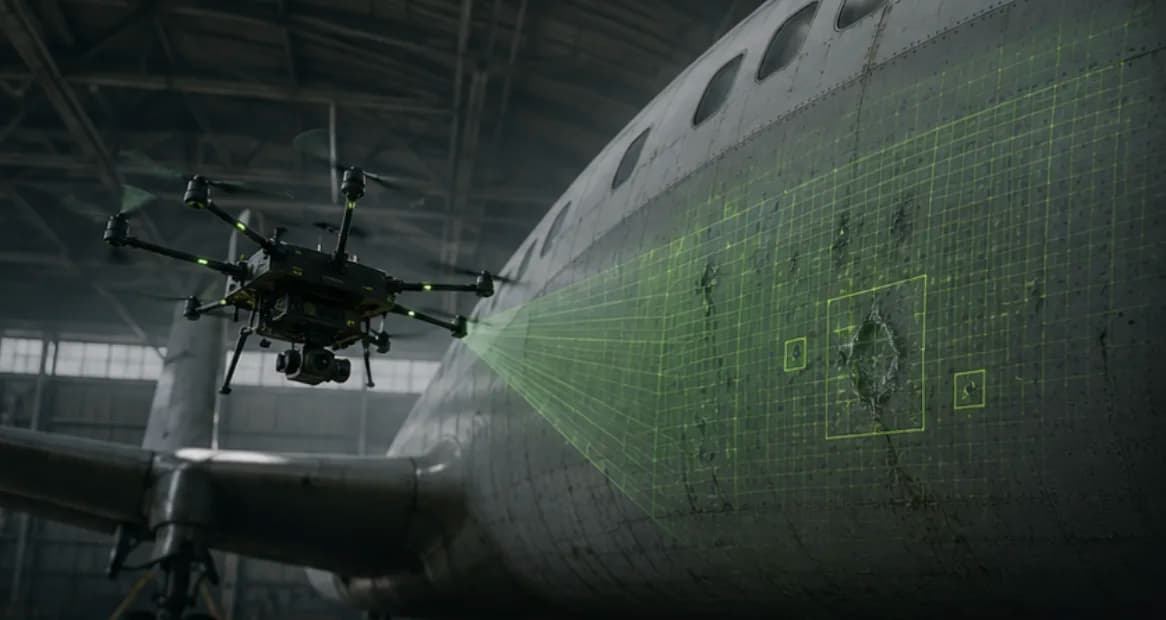
Computer vision systems
01 / 03

Computer vision systems

Object detection, segmentation, and tracking for quality control, security, and system behavior analysis.
  • object detection
  • segmentation
  • tracking
  • defect detection
  • OCR & scene analysis
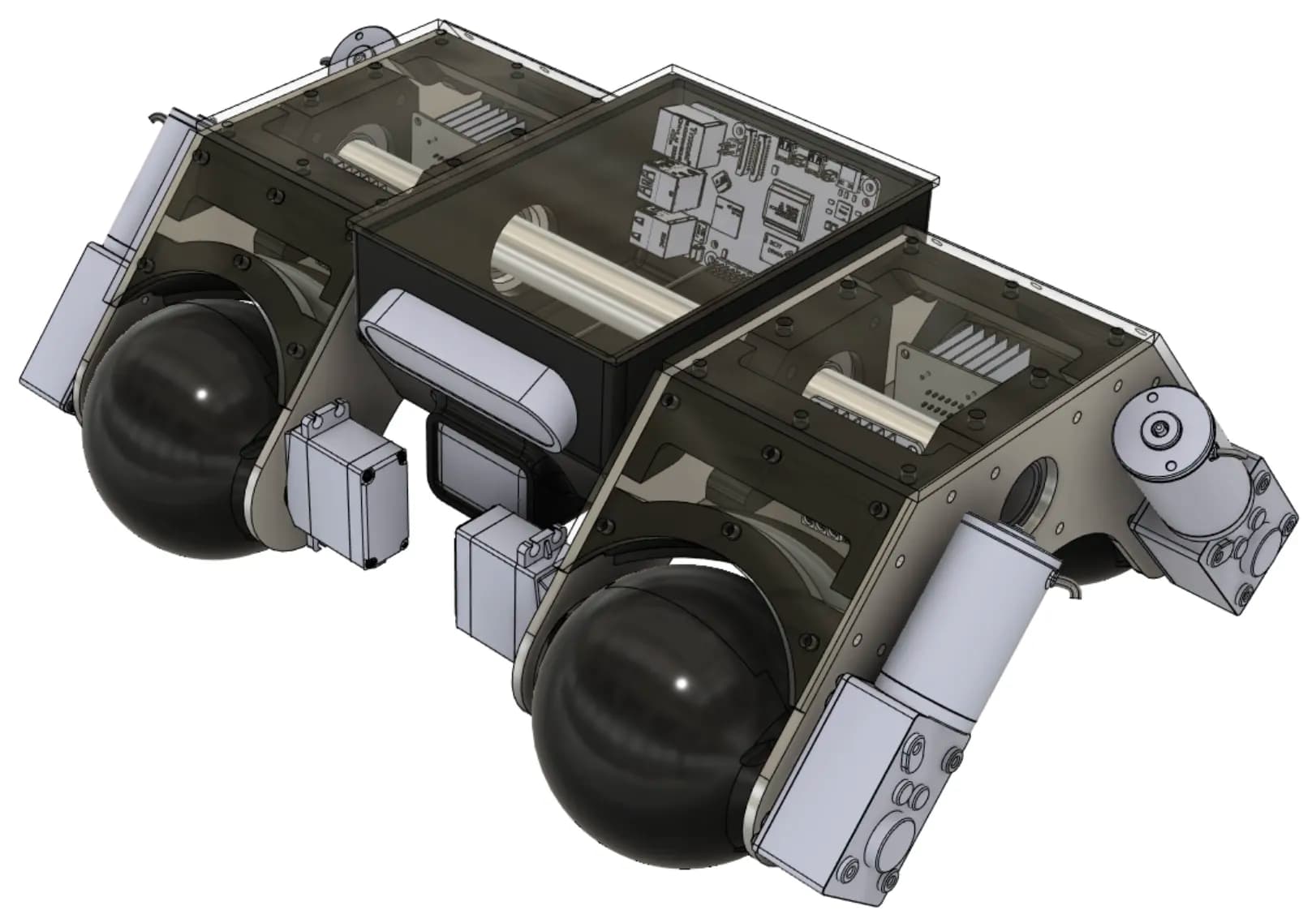
Edge AI & on-device inference
02 / 03

Edge AI & on-device inference

We optimize and deploy models directly on embedded hardware — no cloud, no latency.

  • ONNX, TFLite, TensorRT
  • quantization & pruning
  • real-time inference
  • local analytics
Applied R&D and optimization
03 / 03

Applied R&D and optimization

We train models on proprietary and small datasets, run experiments, and apply domain adaptation to your use case.

  • small-data training
  • domain adaptation
  • optimization algorithms
  • generative methods
¶ Tech stackArchitecture
AI / CV
PyTorch, TensorFlow, OpenCV
Edge Runtime
ONNX, TFLite, TensorRT, CUDA
Data
Python, NumPy, Pandas, label pipelines
Backend
Go, FastAPI, PostgreSQL, REST API
Hardware
Jetson, Raspberry Pi, ARM, STM32
MLOps
Docker, CI/CD, model monitoring
↘ TechnologiesAI / MLEmbedded
¶ How we work06 steps

ML-Ready Engineering

  1. 01Stage

    Scoping & metrics

    We formalize the task, quality metrics, and business impact.

  2. 02Stage

    Data & labeling

    We collect, clean, and label data and build a labeling pipeline.

  3. 03Stage

    Training & experiments

    Baseline model, iterations, architecture comparison.

  4. 04Stage

    Hardware optimization

    Quantization and conversion for the target edge device.

  5. 05Stage

    Deployment

    We integrate the model into your product and infrastructure.

  6. 06Stage

    MLOps

    Quality monitoring in production, retraining, A/B tests.

¶ Who it’s forWhere our models are used

Manufacturing

Quality control, defect detection

Security

Video analytics and monitoring

Robotics

Machine vision and navigation

R&D labs

Applied research with results

¶ Why BonsaiWhy clients ship AI with us
01

Edge-first

We design models for real hardware, not just a GPU server.

02

Data for the task

We build labeling and training even with small or proprietary datasets.

03

Engineering, not demos

We take models to stable 24/7 operation, not just to a polished prototype.

04

Full-stack ML

From data collection to deployment and MLOps, under one roof.

Assess your AI use case

We’ll run a technical review of your task:

  • —check whether the target metrics are realistic
  • —verify that your data is sufficient
  • —select the architecture and hardware
  • —estimate timeline and cost